
What has been the most significant change in consumer behavior in the last 10 years, and how has it impacted the way you think about marketing and communications?
I am going to shift the angle of the question a little, from behavior to expectations as I think the most significant shift lies in a complete change of consumer expectations. The most critically important change is the expectation for living life on-demand – immediacy and convenience, and access to whatever we want, with no restrictions. Obviously in the media, we see on-demand life in the adoption of streaming audio and video, social media – virtually everywhere – but this same expectation extends to our grocery and shopping habits, and, more recently, expectations of where and when we work. We have eliminated constraints related to time, space, physical location or someone else’s schedule – the expectation is the important thing, not just the behavior.
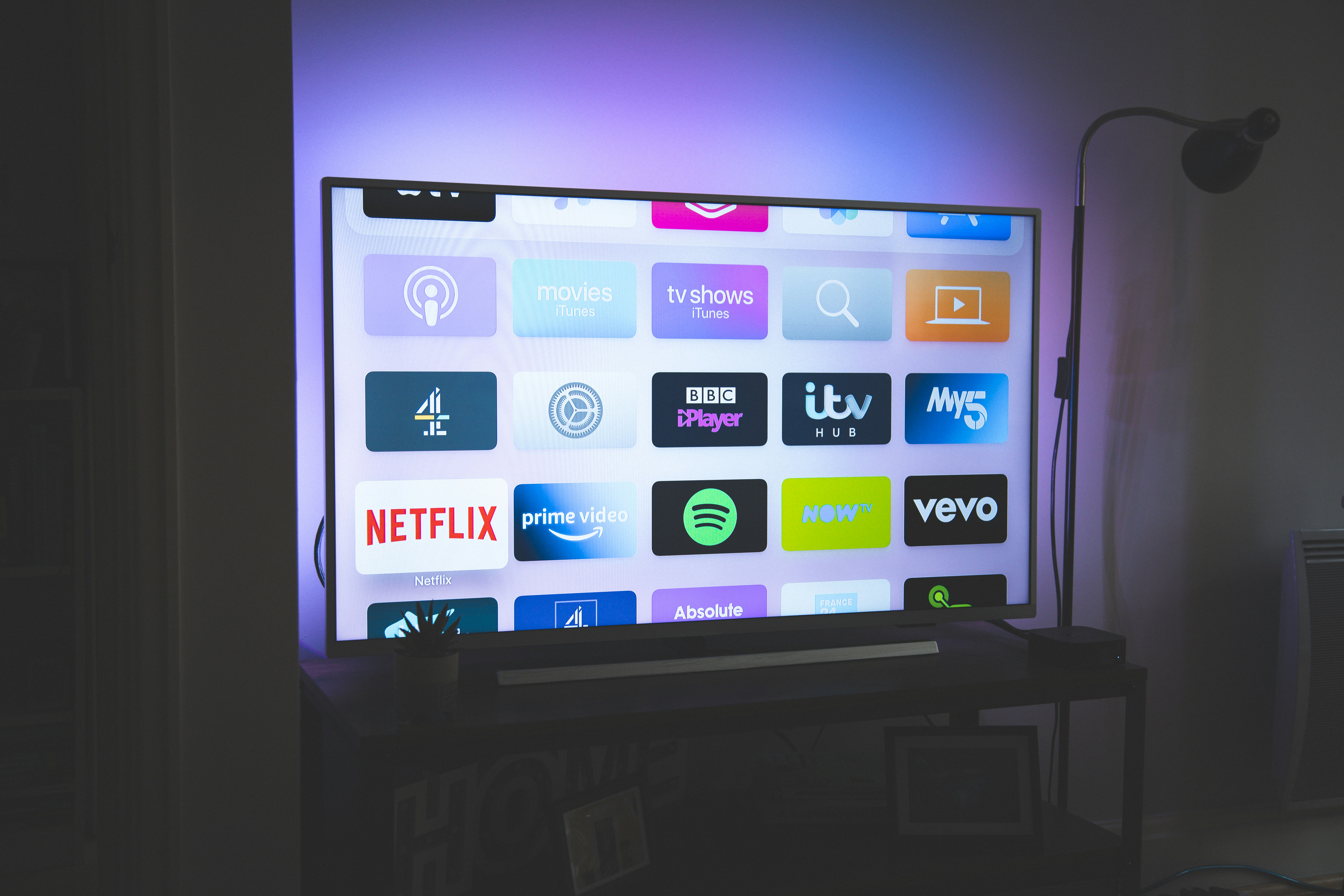
From a marketing and communications perspective, on-demand expectations necessitate being at every place, space and time where your consumer might be – all platforms, all potential points of brand interaction, with a contextually appropriate message. This also translates to a need for more personalized ad messaging, in all brand interactions, including the demand and expectation for customized product options.
I remember a few months ago I casually contemplated what I would watch, to my then 17-year-old son: “I wonder what’s on tonight?” He shook his head and laughed “what does THAT even mean? What’s on??? Everything is on right now, and always, it is 2025.”
To my point, expectations are forever changed.
Free Snapshot Report
Want to know how your brand is seen on a specific fast-moving issue? Drop your email here and we’ll set up a quick call to walk you through a free, custom Snapshot.
How has the industry’s obsession with data and measurement helped or hurt marketers in making better decisions?
As someone who works in data and measurement, I tend to take the half-full view, and for the most part, believe that the advancements in data and measurement have been tremendously valuable. On the front end, it makes media and marketing more targetable, more addressable, more contextually relevant; on the back end, it makes marketing more measurable, its impact more quantifiable and brings campaign insights that are more granular, all of which should lead to more effective marketing. The ability to gather massive troves of data, ever more quickly and utilize AI and ML only adds to the possibilities.

That said, if we equate “better decisions” to “better marketing,” I am less positive. More data-informed decisions…yes. Better decisions that grow the business and improve the incremental impact of marketing…that is far less clear. The data obsession has also come with a focus on short-term signals at the expense of mid/longer-term and meaningful growth, siloed and often faulty attribution, excessive focus on efficiency vs. effectiveness (they’re not the same thing), performance over brand, and over-targeting. There is also the question of data quality – which is a problem for another day, but it adds to the uncertainty.
I absolutely believe that there are marketing analytics companies, and marketers, who are making better decisions leading to better outcomes, but overall, in aggregate, we are falling short. To quote a summation of the nuanced reality from AI, marketing is characterized by “more intelligent optimization and selective measurability” – we have more data-driven sophistication, and measurement has never been more attainable, but there are a lot of elements that remain fuzzy.
I’d argue that we needed to swing the data pendulum too far but am confident that we are going to find the right balance. I am excited about the latest trends and conversations about improving marketing analytics, advancements in MMM, balancing short- and longer-term marketing impact, and better integrating performance and brand marketing.
Top Insights
- DEI Backlash: Why Some Brands Survive and Others Get Burned
- Why AI Privacy Should Be Every Communications Leader’s Top Priority
- Amazon’s 5-Day Office Mandate: Will It Pay Off or Backfire?

What’s one piece of measurement-related advice you would give to any CMO?
If the results being presented to you are not showing true incrementality, you are not understanding how – or even if – your marketing investments are growing your business.
(OR make good friends with someone who understands and believes in incrementality.)
As you think about opportunities for today’s marketers and pertaining to research and data, are there any areas you feel are in need of more focus or attention?

Absolutely lean in and maximize your use of data and technology – in fact, it can be a tremendous help in human understanding and insight – but let’s not lose sight that marketers are, at the most basic level, trying to connect and build relationships with real people.
Data, analytics and AI are all critical today and will be more so in the future, but we are at risk of losing the human element in marketing and brand building.
Latest MAPS Interviews
- Find out which ad campaign Mike Merna thinks is one of the most effective of all time – and why.
- Discover whether Annie Pettit thinks TikTok can make you a better researcher.
- Hear what Jake Beniflah thinks the biggest mistake is that brands make when trying to engage multicultural audiences.



What has been the defining moment of your career, and why?

It was during my time on the agency side, and after participating in dozens of new business pitches there was one pitch that was particularly challenging and forced me to stretch. I had to develop a 3–5-year recommendation for spending across a complex portfolio of brands, upper funnel vs. performance marketing investments and media allocations. It also involved telling some very senior marketers that their current approach was not optimal for the future.
Why was this defining? 1. I nailed it. 2. It helped me recognize that despite a focus on media and consumer research, I had developed a deeper understanding of marketing. 3. After years of “impostering,” this was when I realized I wasn’t faking it. Sometimes self-awareness and confidence take time.

What one piece of advice would you share to those starting their career in marketing and communications?
Devote a disproportionate amount of time and energy on you. Create time for your learning & development, to work on your projects without interruptions, to set and track your goals, build your network, and most importantly, focus on your well-being. Your time is more valuable than you may think – protect it.
The MAPS Newsletter
Sign up today for exclusive MAPS insights and interviews like this in your inbox as soon as they’re published.
Looking into the future, which fast-moving issues and consumer dynamics will marketing and communications leaders need to be aware of?
I believe we are in the early innings of people seeking brands and companies that align with their values, beliefs and that show empathy towards them. Companies need to put people at the center of their thinking and devote resources to understanding why people make the choices they do, identify their needs and concerns, and their expectations of brands/companies.
Seek to understand the why behind the mass of data being analyzed. FWIW, this applies to how you approach current customers and prospects, but also to employee relations, and partnerships.
Where to find David: