
What do you read, listen to, or watch to keep track of developing issues and consumer dynamics?
I’m a huge fan of TikTok, not for the dance trends or viral videos but because it opens my world.
My personal world is very small. My family, friends, neighbours, and coworkers are very homogenous socially, culturally, politically, and economically. It’s so easy to think that the world looks and acts like me.

But, with TikTok I can see and hear people who are completely different than me. I’ve gotten a tiny glimpse into the worlds of people who are blind, deaf, use a wheelchair or who have cerebral palsy, autism, or dementia. I’ve been able to hear experiences of Black people, Indigenous people and other marginalized people who live thousands of kilometers away from me in Canada and around the world.
By seeing how different people navigate our world, it’s helped me build better and more realistic research experiences for everyone. And, it’s helped me to analyze data with a more accurate understanding of the diverse human experience.I’m a huge fan of TikTok, not for the dance trends or viral videos but because it opens my world.
Latest MAPS Interviews
- Hear whether Jeff Buchan thinks it’s possible to balance privacy and personalization.
- Discover Idil Cakim‘s ‘lightbulb’ moment around word of mouth marketing.
- Discover who David Oliver worked with to prevent his Russian colleagues from being arrested (!)
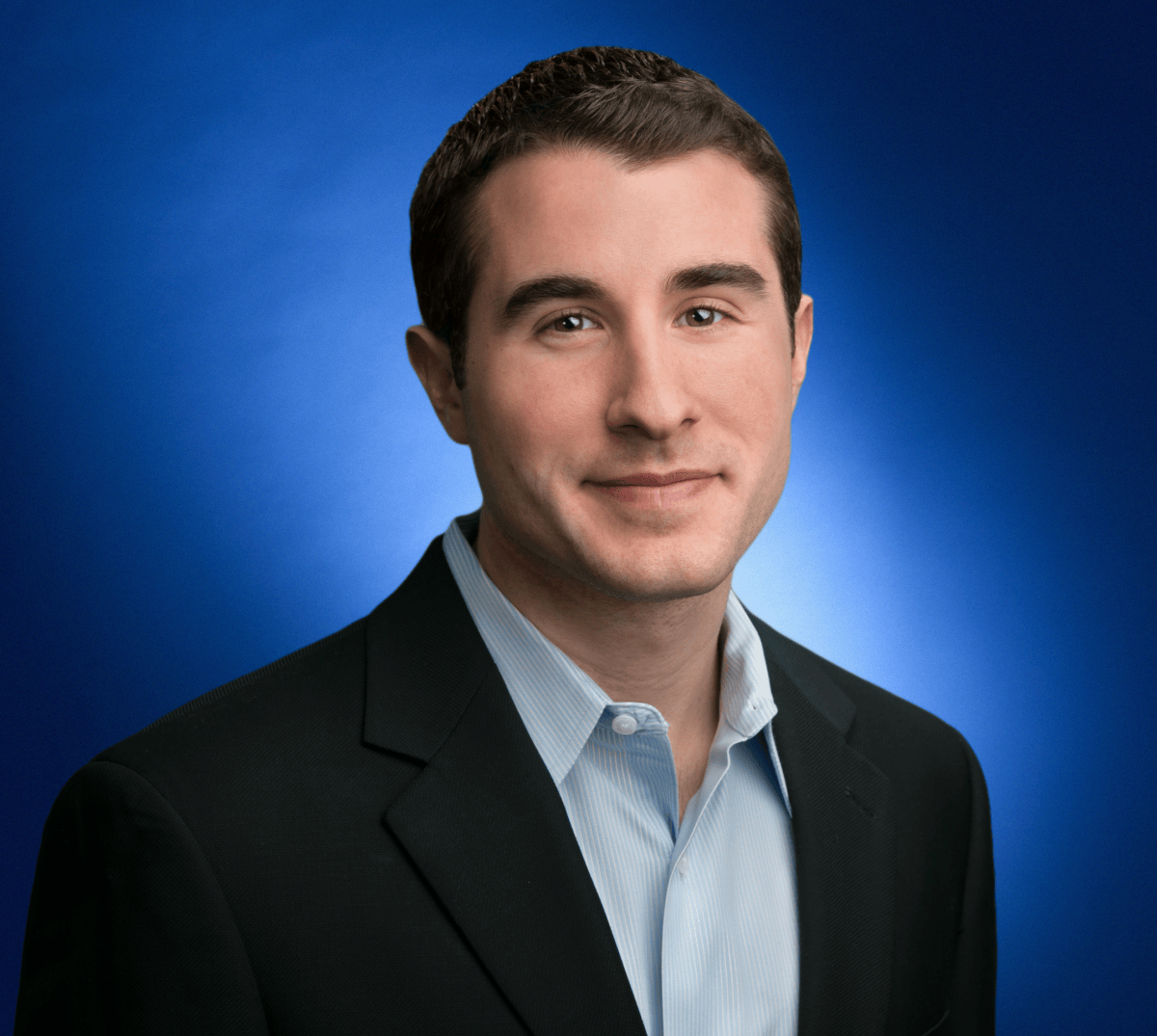
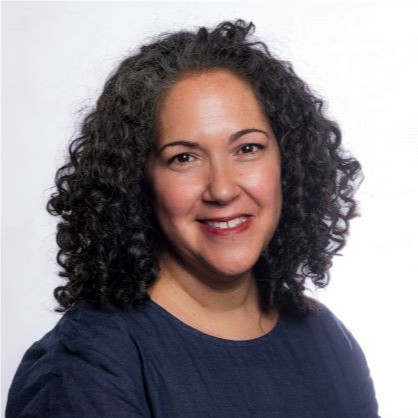

What has been the defining moment of your career, and why?
Saying yes to things I didn’t think I could do or was scared to do.

One of the biggest examples of this was when I decided to join a start-up called Conversition, which was later sold to Research Now (now Dynata). The start-up had no track record to make me feel safe financially and we didn’t know what we were going to build. Giving up a safe career for this unknown prospect was scary but I decided to say yes.
Because of Conversition, I was asked to do even more scary things like speak at conferences and participate in designing research industry guidelines. Every scary yes made the next scary yes easier. Those yeses helped me realize the extent of what I could do, what made me happy at work, and how to become a better researcher. I don’t regret a single one of those yeses.
How MAPS Can Help
Get in touch to share your objectives and we can help you understand how your brand is perceived on any of today’s fast-moving issues. Our free MAPS Snapshot provides a clear view of your reputation compared to your competitors on a single fast-moving issue.

What one piece of advice would you share to those starting their career in marketing and communications?
You cannot receive until you first give.

You probably have visions of where you want to be five, ten, or twenty years from now. The only way to guarantee you’ll get there is to make it happen yourself. Volunteer to facilitate the meeting and lead the project. Ask to write a blog post for your national association or submit to speak at a conference. Read all the white papers, watch all the free webinars, and take all the free online courses. Share your insightful opinions on LinkedIn, Substack, or BlueSky. Find, create, and share an area of expertise that gets you excited.
Along the way, people will see you putting yourself out there and they’ll learn who you are, and what your passions and expertise are. They’ll start to connect with you and ask for your opinions and advice. Opportunities will start to come your way not because of random chance but because you put in the hard work to make it happen.
Today is your day to start!
Top Insights
- DEI Backlash: Why Some Brands Survive and Others Get Burned
- Why AI Privacy Should Be Every Communications Leader’s Top Priority
- Amazon’s 5-Day Office Mandate: Will It Pay Off or Backfire?

Where to find Annie: