
What has been the most significant change in consumer behavior in the last 10 years, and how has it impacted the way you think about marketing and communications?
A quest for personalization. With the push of technology and marketers’ rush to provide more bespoke experiences, we got used to ‘my’ product, ‘my’ media and bowed out of town halls and shared experiences. There are exceptions to this of course. For instance radio programs still gather millions around information and entertainment. But beyond this mass medium, there is a lot of title chasing and dispersion.
What do you read, listen to, or watch to keep track of developing issues and consumer dynamics?
I have the researcher’s advantage. We’re tracking shifts in consumer and media behavior day in, day out with either syndicated or custom studies. I keep my eye on breaking news, updates from key research companies and book recommendations from business influencers. I also like to study advertising as a consumer and decipher it to understand what the brand is communicating at its core and what they’re hoping to get out of that communication.
Latest MAPS Interviews
- Learn why bricks and mortar are still important for Cenk Bulbul.
- Which brand’s approach to marketing and communications still inspires Orli LeWinter?
- Find out what pushed Alex Kantrowitz to make a career pivot and to start Big Technology.

Has there ever been an issue, trend or dynamic that you thought was going to be bigger than it turned out to be?
I am always impressed when a company can stop an issue on its tracks before it turns into a crisis. It usually takes an apology or a candid statement from a top executive, delivered close to the time of the incident. I also thought it would be a big deal for CEOs to take a political stance publicly, but it has actually been something that fortified their reputation as leaders. Today, leaders can speak about public issues whether it bodes directly with their products or services or not.
Can you give an example of a marketing or communications strategy from a different sector that inspired you at some point during your career?
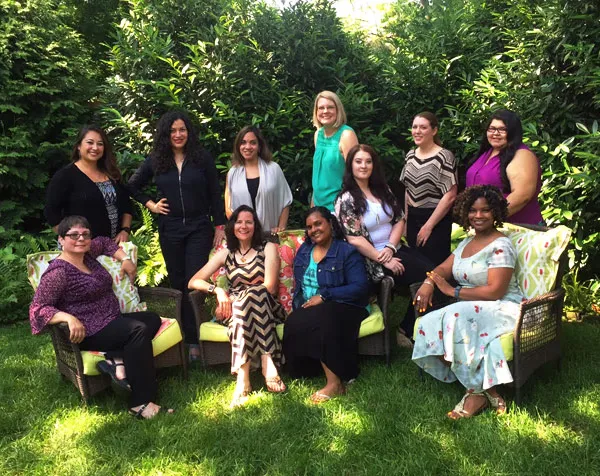
Authenticity always pays off. I still remember when Walmart gave free rein to 10 or so mommy bloggers to review their products and shopping experiences. Here was a big brand that had the power and myriads of advertising executives that would help them control and propel desired messages. Instead, they turned the mic over to their customers.
What has been the defining moment of your career, and why?
When I published my book Implementing Word of Mouth Marketing (Wiley). I remember a friend saying ‘in the world of knowledge, there is nothing more that says I own this side of the street than publishing a book.’
Contact MAPS today for your free Snapshot
The Snapshot will quantify how you are perceived in comparison to your competition on one of today’s fast-moving issues. This service is limited to just a handful of organizations each week, so leave your details now and we’ll be in touch.
Looking into the future, which fast-moving issues and and consumer dynamics will marketing and communications leaders need to be aware of?
No matter what the latest technology is, I am amazed to see trust remain central in our decisions to adopt new products and services. Trust in message and medium are also crucial. Loneliness is a second theme that I have my eye on as it affects connections, media choices, travel, work patterns and family dynamics. And I always recommend tracking changes in how people spend their time. Share of time is share of mind and wallet.
What one piece of advice would you share to those starting their career in marketing and communications?
Go for positions that can give you a cross-industry view. Specialization in one field is great, but always ask ‘how else can I apply my skills?’
Top Insights
- Which initiatives are moving the needle for the 20 companies with the strongest reputations around LGBTQ+ Rights?
- How does Amazon’s reputation around return to office compare to Microsoft’s among tech-savvy consumers?
- Is discussion of Harley-Davidson’s and Ford’s DEI changes taking place in the same places online – and why does this matter?
Where to find Idil: