
What has been the most significant change in consumer behavior in the last 10 years, and how has it impacted the way you think about marketing and communications?
It’ll be no surprise to anyone that social media has singularly altered the way everything, not just marketing and communications, has evolved. From the way news breaks, to who can break news, to who controls the stories, to the speed with which news and ideas travel — it has intrinsically changed the way we receive and disseminate information.
I started working in the digital communications sphere in 1995 and I don’t think anyone had an inkling back then of just how differently wired our world would become in the aftermath of digital commercialization. The fact that we can both narrow our field of information and also broaden it at will has put the consumer at the center of the information equation, leaving brands and leaders with messages to deliver at the mercy of a cacophonous universe that defies logic.
There has never been a more democratic and a more difficult time to be a marketer or communicator as a result. The pressure is on people like me to find new and stealthy ways to break through the noise, and to consider the need to be truly surround-sound about it so that our messages might actually stick.
How have you seen consumer attitudes to corporate social responsibility change over this same period?

This question comes to me at a strange time, right? If you had asked me this two years ago, I’d tell you that CSR had finally gone mainstream and legit, not just talking the talk but also walking the walk. However, we are only one month into a seachange, where companies are walking back their hard fought and deeply embedded programming around CSR and DEI in response to what they perceive to be a world hostile to such work. I think it’s an overreaction.
Many, many consumers — especially younger ones — are deeply committed to this work and companies that choose to abandon the principles of inclusion, equity and climate responsibility do so at their peril. Younger consumers may not have as much purchasing power today, but they will tomorrow. And they will remember which companies left behind their ethos at the first whiff of trouble.
Are there common traits of businesses that are able to successfully communicate their mission?

I’d say that companies that are clear and consistent have the best chance at communicating their mission. Clarity comes first. If you can’t succinctly and directly articulate your mission internally, how will anyone outside your organization remember it? Once you can clearly articulate your mission, you must be able to consistently communicate it. This means that every internal and public action should reflect your mission.
Your mission should not just be words in a deck presented by a CEO at a company offsite. It should be woven into the fabric of a business, manifest in every action the company takes. Companies that know who they are and can say so, then act in concert with their mission with every touchpoint, are the ones who can say they are truly mission-driven.
Latest MAPS Interviews
- How did the idea of swing voters change the way Bill Harvey thought about advertising?
- Which brand’s approach to marketing and communications still inspires Orli LeWinter?
- Find out which fitness brand’s customer service and personalization inspired Joe Cashen to create something similar in the automotive industry.



Do you anticipate any changes in how businesses approach social responsibility in the short term, given our changing political environment?
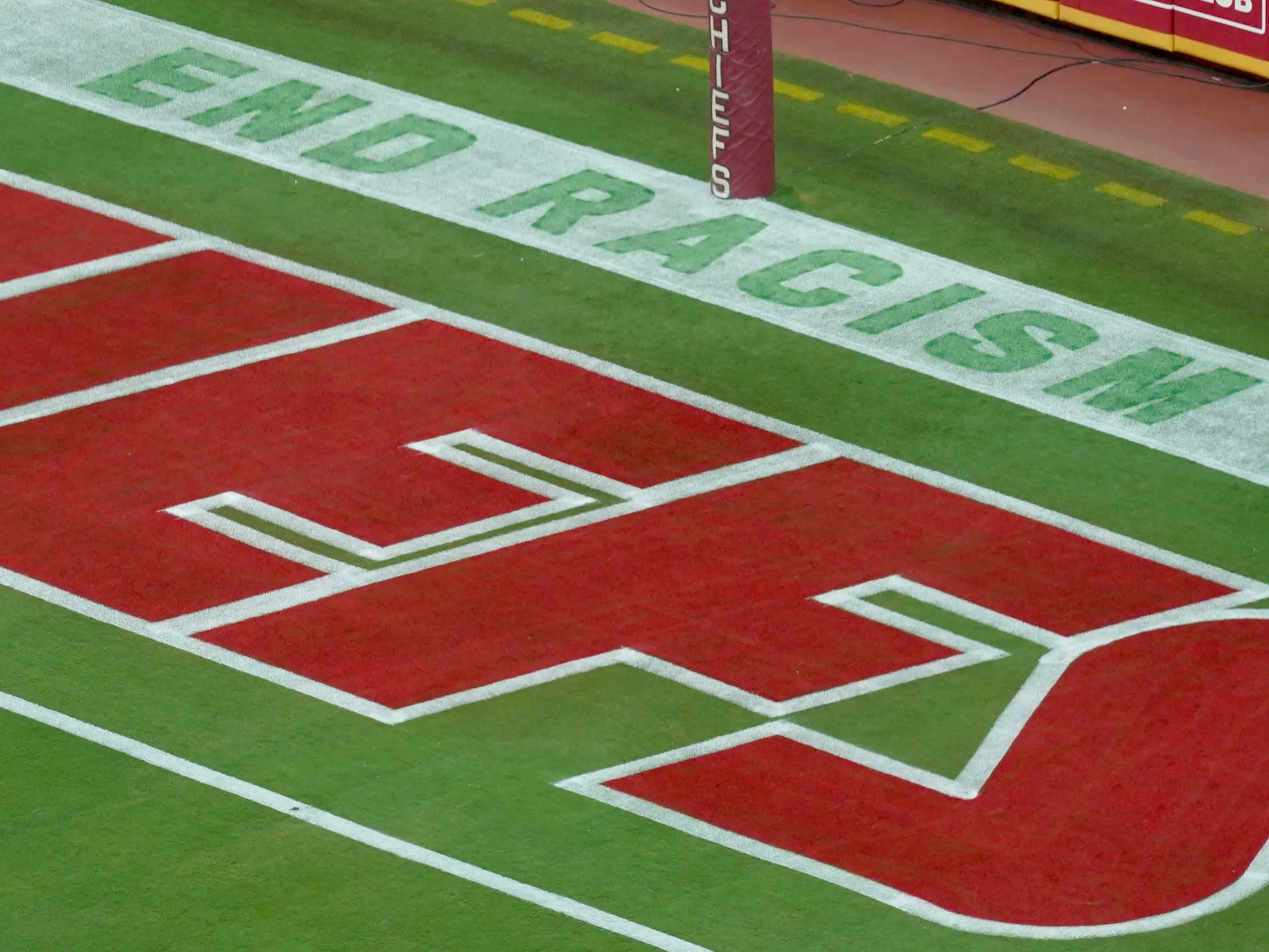
You’re already seeing this at work, sadly. Companies like Meta and Google have announced the end of many DEI programs. The NFL took “End Racism” out of the endzone for the Super Bowl. The list goes on.
The brave will continue the work, holding fast to their ethos, even in the face of public and political pressure. I’m rooting for them.
Contact MAPS today for your free Snapshot
The Snapshot will quantify how you are perceived in comparison to your competition on one of today’s fast-moving issues. This service is limited to just a handful of organizations each week, so leave your details now and we’ll be in touch.
What has been the defining moment of your career, and why?
I’ve had a long road to where I am now, the co-owner of a business that reflects my vision, ethos and deep belief in the ability of story to drive growth. Though it’s a cop out, I can’t say I have a singular moment. Instead, I have a series of moments that conspired to show me what kind of business I would want to build if I was ever lucky enough to do it myself.
I knew from not having the best bosses that I’d want to be a great one. I knew from not feeling true partnership that I’d want to have and be a true partner. And I knew from watching companies abandon values for the bottom line that I’d always want to hold on to mine.
Sometimes, it’s not a great epiphany that leads you to realize your potential, but rather, learning from the things that didn’t go right for opportunities to do better.
Top Insights
- Which corporations are facing backlash for their DEI stances – and why?
- Which initiatives are moving the needle for the 20 companies with the strongest reputations around LGBTQ+ Rights?
- What does the reaction to the Costco Wholesale and McDonald’s DEI announcements tell us about different generations of stakeholders?

Where to find Lisa:
- LinkedIn: https://www.linkedin.com/in/lisahyman
- Website: https://wearegooddog.com