
What has been the most significant change in consumer behavior in the last 10 years, and how has it impacted the way you think about marketing and communications?
One of the most significant trends is the rapid adoption of micro-mobility options like e-bikes, e-scooters, and cargo-bike deliveries. Despite this shift, civic leaders remain slow to respond, beholden by the entrenched interests of auto makers and car owners.
Given what we know about global warming, it’s incredible that we continue to prioritize a car-first infrastructure. As urban populations grow, the future ideal lies not in flying or self-driving cars but in more bike lanes, green spaces, and efficient public transit.
This grassroots trend, driven by consumer self-interest and a sense of urgency about the climate crisis, will inevitably continue. Marketing and communication should play a crucial role in envisioning a better future and creating demand for change among governments. Progressive companies can lead by advocating for and supporting this transformation, as well as producing goods and services in greener ways.
What do you read, listen to, or watch to keep track of developing issues and consumer dynamics?
I used to subscribe to numerous magazines, but now I rely primarily on NYTimes.com, where I browse headlines daily and enjoy their games. Additionally, I use Google News and Drudge Report for diverse perspectives. Despite my liberal views, I find Drudge an excellent news curator, giving me access to a wide range of sources. I likely scan articles from over 100 different publications monthly.

I’ve largely disconnected from social media. I used to spend a lot of time on Twitter and Facebook, but it was a time-suck and messed with my mental energy. I stay active on LinkedIn and some niche forums like ResearchWonks.com and Concertina.net. For specific questions, I often turn to Reddit and ChatGPT.
I listen to WFMU, a freeform radio station in the NYC area, for hours each day: the best music selection on earth. In the evenings, I typically watch an hour or two of shows from various streaming services, mostly back-catalog stuff, as I went without TV for a few years. I cut the cable cord years ago.
Has there ever been an issue, trend or dynamic that you thought was going to be bigger than it turned out to be?
Society’s response to the climate crisis would be #1. I wish in the past 25 years there had been more urgency, progress and innovation.
Latest MAPS Interviews
- Learn why bricks and mortar are still important for Cenk Bulbul.
- Which brand’s approach to marketing and communications still inspires Orli LeWinter?
- Find out what pushed Alex Kantrowitz to make a career pivot and to start Big Technology.

Can you give an example of a marketing or communications strategy from a different sector that inspired you at some point during your career?
Years ago, I interviewed the CMO of a large tech company about PR strategies, and he said something to the effect of, “Often, the best strategy during a crisis is to say nothing. Let it blow over. Your PR agency will never give that advice.”
What has been the defining moment of your career, and why?
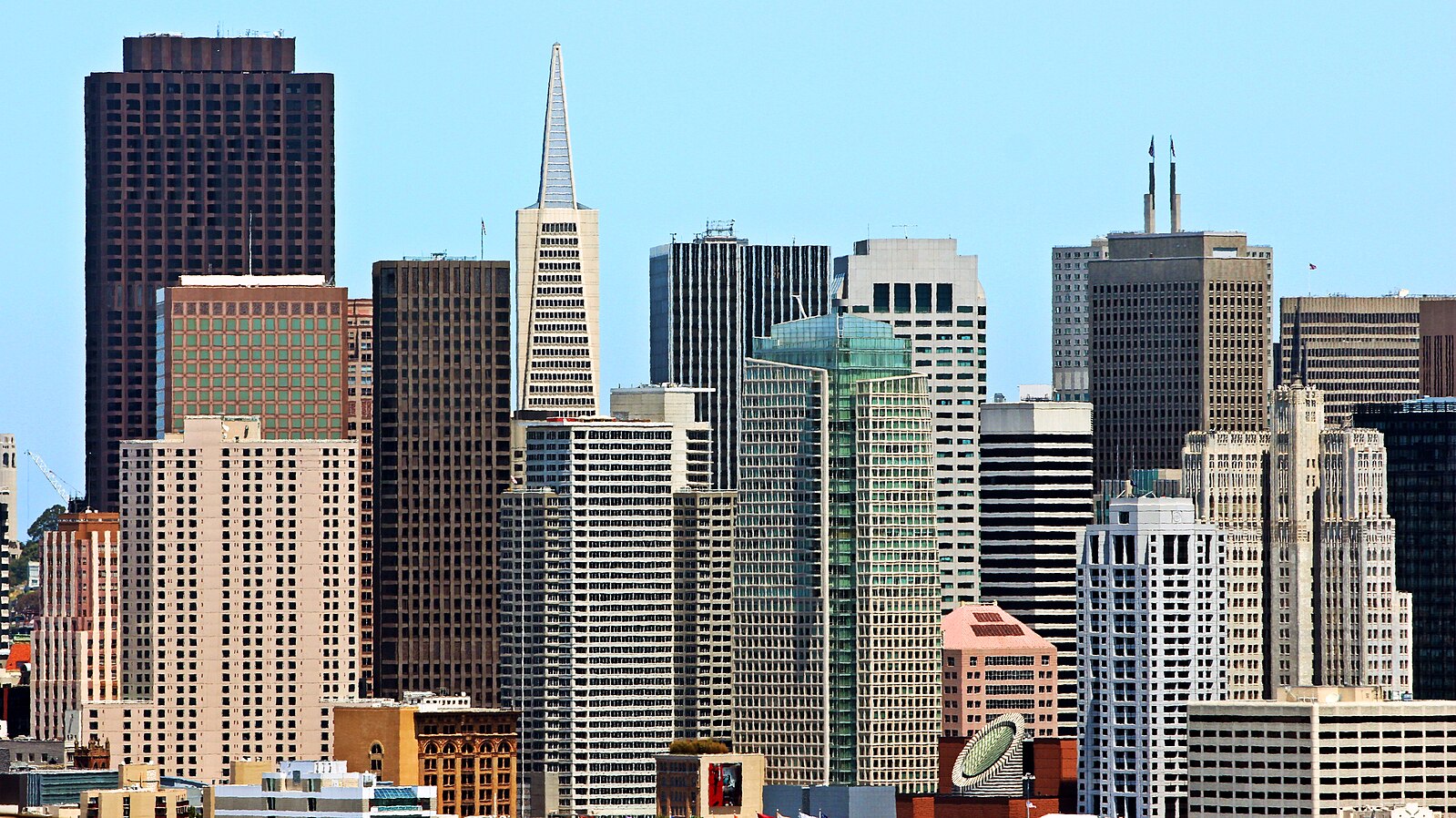
Moving to San Francisco in the mid-1990s to join the Internet media revolution. I was already in media, as a print journalist, but I grew disillusioned with that profession long before the Internet got blamed for ruining it. I saw the transformative power of the Internet and wanted to be a part of it.
I wasn’t wrong. I have looked at the IAB Annual Internet Advertising Revenue Report year after year and marveled that the industry has grown by double digits almost every year for nearly 30 years.
Looking into the future, which fast-moving issues and and consumer dynamics will marketing and communications leaders need to be aware of?
Help to change society’s bad environmental practices. Find profits in greener ways of doing business.
I have long felt that Amazon, for example, could effect profound positive change by requiring or providing incentives for merchants and manufacturers to adopt alternatives to plastics in packaging, such as all the packaged air bubbles in shipping boxes. With their prominence across e-commerce, it could be a catalyst for movement away from single-use plastics.
Contact MAPS today for your free Snapshot
The Snapshot will quantify how you are perceived in comparison to your competition on one of today’s fast-moving issues. This service is limited to just a handful of organizations each week, so leave your details now and we’ll be in touch.
What one piece of advice would you share to those starting their career in marketing and communications?
You won’t be bored. Don’t stand still. You have to constantly improve and adapt your skills, as the technologies and media are constantly changing.
Top Insights
- Which initiatives are moving the needle for the 20 companies with the strongest reputations around LGBTQ+ Rights?
- How does Amazon’s reputation around return to office compare to Microsoft’s among tech-savvy consumers?
- Is discussion of Harley-Davidson’s and Ford’s DEI changes taking place in the same places online – and why does this matter?
Where to find Rick:
- LinkedIn: https://www.linkedin.com/in/rickbrunernyc
- Websites: https://www.centralcontrol.com and https://researchwonks.com