
What has been the most significant change in consumer behavior in the last 10 years, and how has it impacted the way you think about marketing and communications?
One of the most significant changes has been the complete erosion of the consumer’s ability or willingness to wait.
Technology has drastically increased the speed of product and service delivery, shifting our expectations from one of understanding (if our purchase is arriving next week) to one of shock and dismay (if it can’t be here before 5pm today).
This race to the bottom has meant we trade some competitive differentiators – perhaps quality or personalization – in exchange for immediacy.
From a marketing and communications perspective, it means we either have to promise (and then provide) fast delivery, i.e., speed as table stakes, or we have to overcome consumers’ expectations and make a substantial and compelling case for why it’s worth it to wait.
What do you read, listen to, or watch to keep track of developing issues and consumer dynamics?

I subscribe to a range of newsletters from outlets like Axios to The Wall Street Journal. I listen to podcasts like Pivot and Marketplace. I peruse the latest studies and reviews published by Gartner and Forrester.
However, I usually recognize when ‘a thing is a thing’… when I see social media feeds surfacing a meme or threaded commentary on a particular topic or event.
I also just try to listen to my kids.
What I struggle with, though, is drawing the line between an occurrence and the resulting implications for consumers.
Take, for instance, New York’s Congestion Pricing program. New York City residents (myself included) and commuters alike are mostly outraged. What remains unclear is how the toll will impact commercial vehicles and how businesses will absorb or pass on the associated costs.
Will customers eventually absorb those costs in the form of higher prices on groceries sold in Manhattan?
Will we opt for less expensive alternatives at checkout or will we cut back on what we buy?
Has there ever been an issue, trend or dynamic that you thought was going to be bigger than it turned out to be?
Benedict Evans, an analyst and venture capitalist who’s more in tune with the cultural zeitgeist than I am, responded to a relevant question about AI in his presentation at the Slush conference in Helsinki last November.
When asked, ‘What’s going to come of AI?’ he suggested, “[p]erhaps all AI questions have one of two answers. It will work like every other platform shift or No-one knows.”
I’m still in the No-one knows camp, so AI doesn’t fit the bill here.
Instead, I once believed ‘pizza by the cut’ would take off in the U.S.
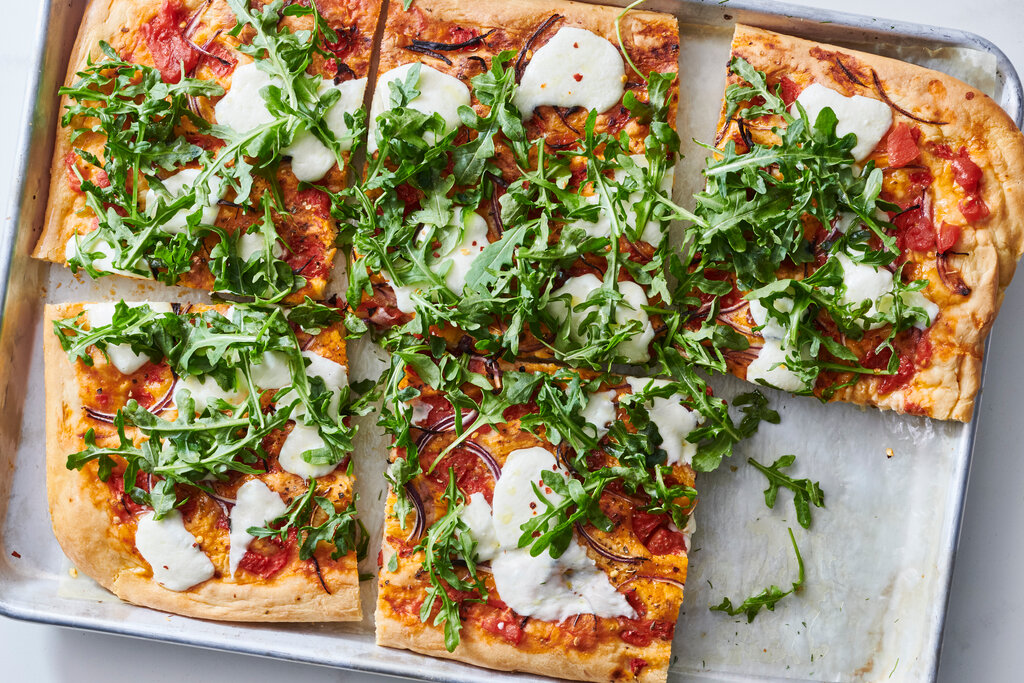
One summer, I studied in Rome, and enjoyed “pizza al taglio” a bit more than I should have. (I still had my metabolism on my side, thankfully.) Pizza al taglio is when you show the server how much pizza you want, and that person cuts you a rectangle. (If you actually speak Italian, the directions may involve words rather than hand signals.)
I thought: “This is genius, and delicious. Somebody should bring this to America.”
And, sure enough, someone did. About a decade later, I came across the concept in New York. But, for some reason, it didn’t take America by storm, and we still prefer our slices – both triangular and square – to be of predetermined sizes.
This, I think, is even more fascinating: that trends are fickle and even mysterious, and that local culture can be impenetrable.
Latest MAPS Interviews
- How did the idea of swing voters change the way Bill Harvey thought about advertising?
- Which brand’s approach to marketing and communications still inspires Orli LeWinter?
- Find out which fitness brand’s customer service and personalization inspired Joe Cashen to create something similar in the automotive industry.



Can you give an example of a marketing or communications strategy from a different sector that inspired you at some point during your career?
An electrician’s magnet once left a lasting impression on me.
Several years ago, the heating element in my oven burned out. I did not have the appliance covered under warranty, and did not know, off-hand, of a reputable electrician. I may have asked a neighbor or searched a community Facebook page for a referral. But, I somehow got in contact with an electrician who promptly came and fixed the problem.
As he left, though, he handed me a magnet for my refrigerator.
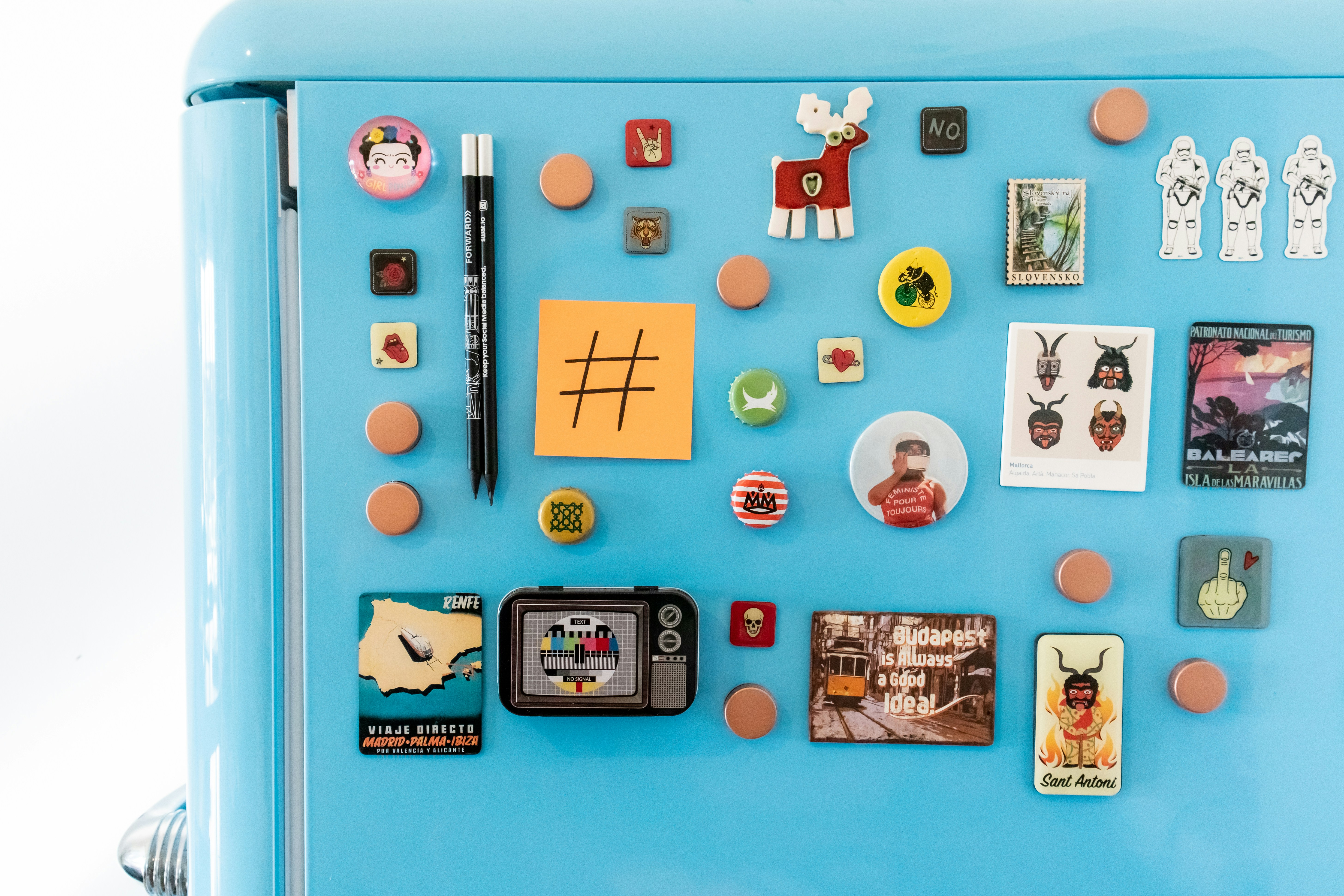
Though I haven’t needed his services again, my first instinct will be to check my refrigerator when I do. This tangible leave-behind informs how I approach any professional endeavor.
I must always ask, “If this venture goes well, how can I ensure that my customers and participants come first to me and my business the next time they need or want this?”
Contact MAPS today for your free Snapshot
The Snapshot will quantify how you are perceived in comparison to your competition on one of today’s fast-moving issues. This service is limited to just a handful of organizations each week, so leave your details now and we’ll be in touch.
What has been the defining moment of your career, and why?
I am still defining my career, but I can think of several moments that nudged me forward, and I’ll share one here.
It was just after eight in the morning on a beautiful September day. I had just finished my workout at New York Sports Club on Varick Street, just north of Houston, and I was walking south toward Canal.
Pedestrians were uncharacteristically chattering on the street. I looked up. I saw smoke pouring out of the World Trade Center.
I thought, “that’s a bit strange,” or something along those lines, and sent a page to my roommate. People were saying that an airplane had crashed into the building, and I wanted to share the news.
A few minutes later, I was at my office, alone and staring south upon the World Financial Center, trying to make sense of what I was seeing. I went into the kitchen for a glass of water or a coffee, and when I got back to the window, another tower was leaking smoke.
I don’t think I heard the impact of the second plane because of the blaring sirens of the fire engines racing toward the scene for Tower 1.
Unlike trend-watching, which requires you to hedge and speculate as to how ephemeral something is, that day was one where everyone who experienced it understood immediately that the world on September 12th would be different from the world on September 10th.
And, as a young, impressionable person, it taught me how fleeting life can be and how important it is to be purposeful, deliberate, and assertive.
Looking into the future, which fast-moving issues and consumer dynamics will marketing and communications leaders need to be aware of?
I’m fortunate to have grown up in an era where navigating uncomfortable environments and interpersonal situations was essential to forging my identity.
I worry that for my children’s generation, technology-driven virtual environments will replace character-building experiences and limit opportunities for personal growth.
I am certain that the digital world in which we – and they – exist will afford them dynamic, information-rich, and immersive experiences. However, and I may just be a “Golden Oldie,” there is no replacement for the occasionally awkward and uncomfortable in-person experience.
Within a marketing and communications context, let’s examine this through the lens of choice.
If our brand is hosting an in-person event, but we also have a virtual experience on offer, our marketers will have to communicate the options effectively. If we sell tickets to the in-person experience, which is more costly and more immersive, we will have to make a strong case for people to choose the in-person option over the more convenient, cheaper, “we can watch the replay later” offering.
Until or unless we figure out how and when to take a binary (virtual or in-person) versus a hybrid (virtual and in-person) approach, we may be diluting experiences to reach bigger audiences while also compromising the benefits of real human interactions.
What one piece of advice would you share to those starting their career in marketing and communications?
All professionals, especially in marketing and communications, must cultivate a personal brand – i.e., what are you known for?

In this context it’s meant less about “what others say about you when you’re not in the room,” and more about whether you come to mind when X audience has Y problem. Are you the person to whom they turn?
For some, this is an argument in favor of specialization, either by skill or industry.
Whether or not you specialize, if you’re the first person people call for a particular challenge, you’ll always have work – and, ideally, work that is both financially and personally rewarding.
Top Insights
- Why should AI privacy should be every communications leader’s top priority?
- What does the reaction to the Costco Wholesale and McDonald’s DEI announcements tell us about different generations of stakeholders?
- How does Amazon’s reputation around return to office compare to Microsoft’s among tech-savvy consumers?
Where to find Alexander:
- LinkedIn: https://www.linkedin.com/in/alexanderkotler
- Website: https://www.alchemunity.us